Settling into Chiang Mai is straightforward if the basics are done in the right order: transport from the airport, a local SIM, a sensible approach to cash, a short stay while you look for a monthly rental, and a few pieces of paperwork. Here is what a first-time arrival needs to sort out in the first week.
How do you get from Chiang Mai airport into town?
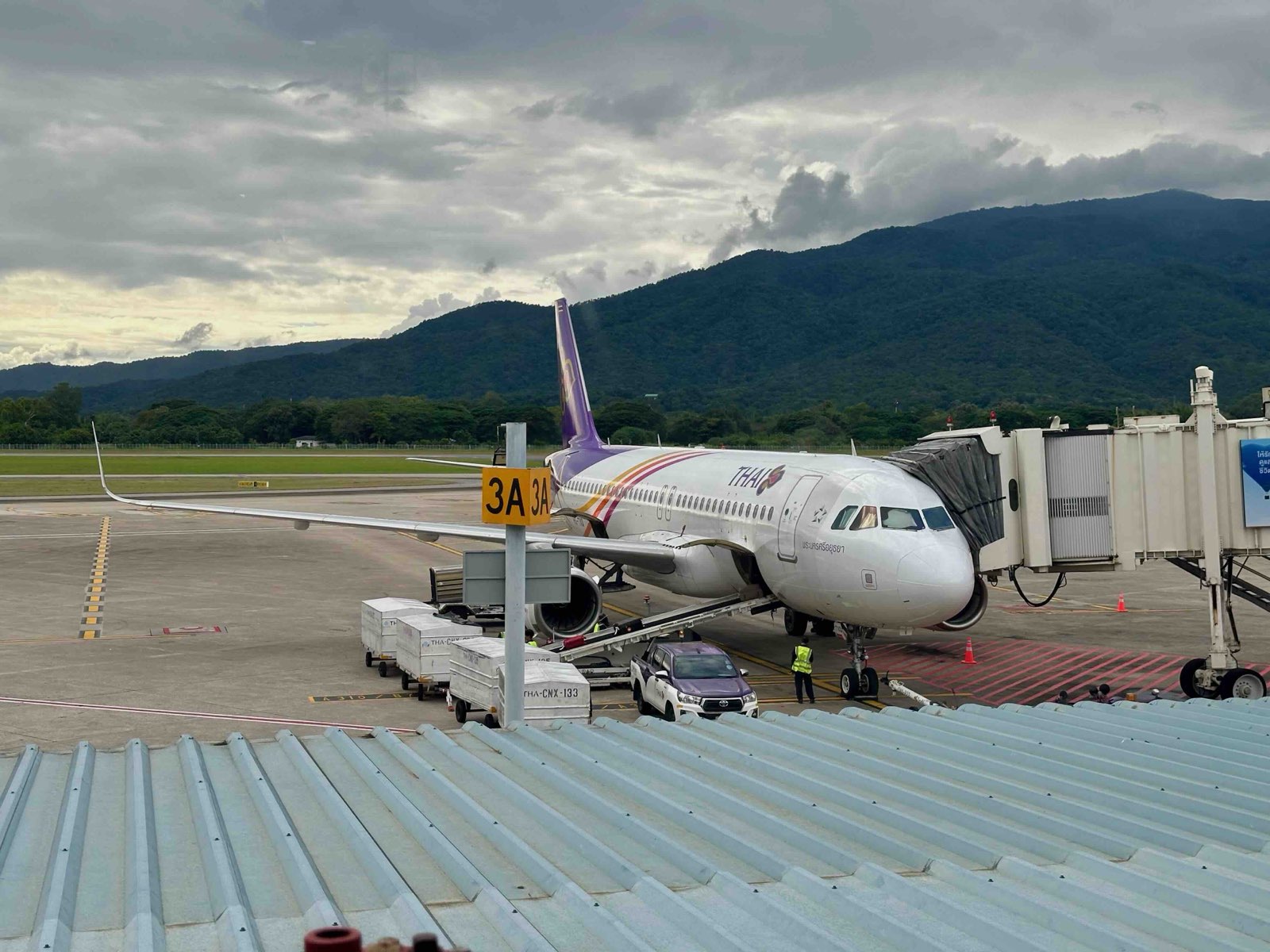
Most arrivals fly in from Bangkok, though there are also direct flights from Kuala Lumpur, Singapore, Taipei, Seoul and several Chinese cities. Chiang Mai International Airport sits inside the city, about 15 to 20 minutes by car from the Old City and Nimman. The easiest option is a Grab or Bolt car booked from the arrivals hall, typically around ฿100–200 depending on demand and destination. Grab has a designated pickup point, and the app shows the way to it.
The official taxi counter inside arrivals gives a set fare, generally in a similar range, so it is a good fallback if your phone has no data yet. Avoid touts offering rides outside the counter system. Before you fly, complete the Thailand Digital Arrival Card online, which is required for foreign visitors.
How do you get a Thai SIM card or eSIM?
A local SIM is one of the first things to buy. AIS and True (which merged with dtac) are the two main networks, and both have counters at the airport and shops in malls such as MAYA and Central Festival. Your passport is required, and registration now includes a facial scan at the counter.
- Travel eSIM — handy for the first day or two, as it works the moment you land.
- Tourist SIM — sold at the airport, typically valid for a few days to a few weeks, with unlimited data packages from around ฿450–700.
- Monthly package — far better value for longer stays. Long-term residents report AIS unlimited data plans at around ฿400 a month, while the same shop may quote around ฿600 for a tourist plan, so ask specifically for a monthly package rather than a tourist SIM.
5G coverage across the city is good, and a local SIM makes a reliable backup when café or condo wifi drops.
How should you handle cash, ATMs and payments?
Thailand still runs on cash for street food, markets, songthaews and many small shops. Most Thai bank ATMs charge a flat fee of around ฿220–250 per withdrawal on foreign cards, and some machines charge more. The fee appears on screen before you confirm, so check it and withdraw larger amounts less often. Always decline the ATM’s offer to convert the transaction into your home currency, as the exchange rate is poor.
Cards are accepted in malls, supermarkets, hotels and most cafés in Nimman. Thai QR payments (PromptPay) are everywhere, but generally require a Thai bank account; tourist wallets such as TAGTHAi offer a workaround, though conditions vary by nationality.
Where should you stay first, and how do you find a monthly rental?
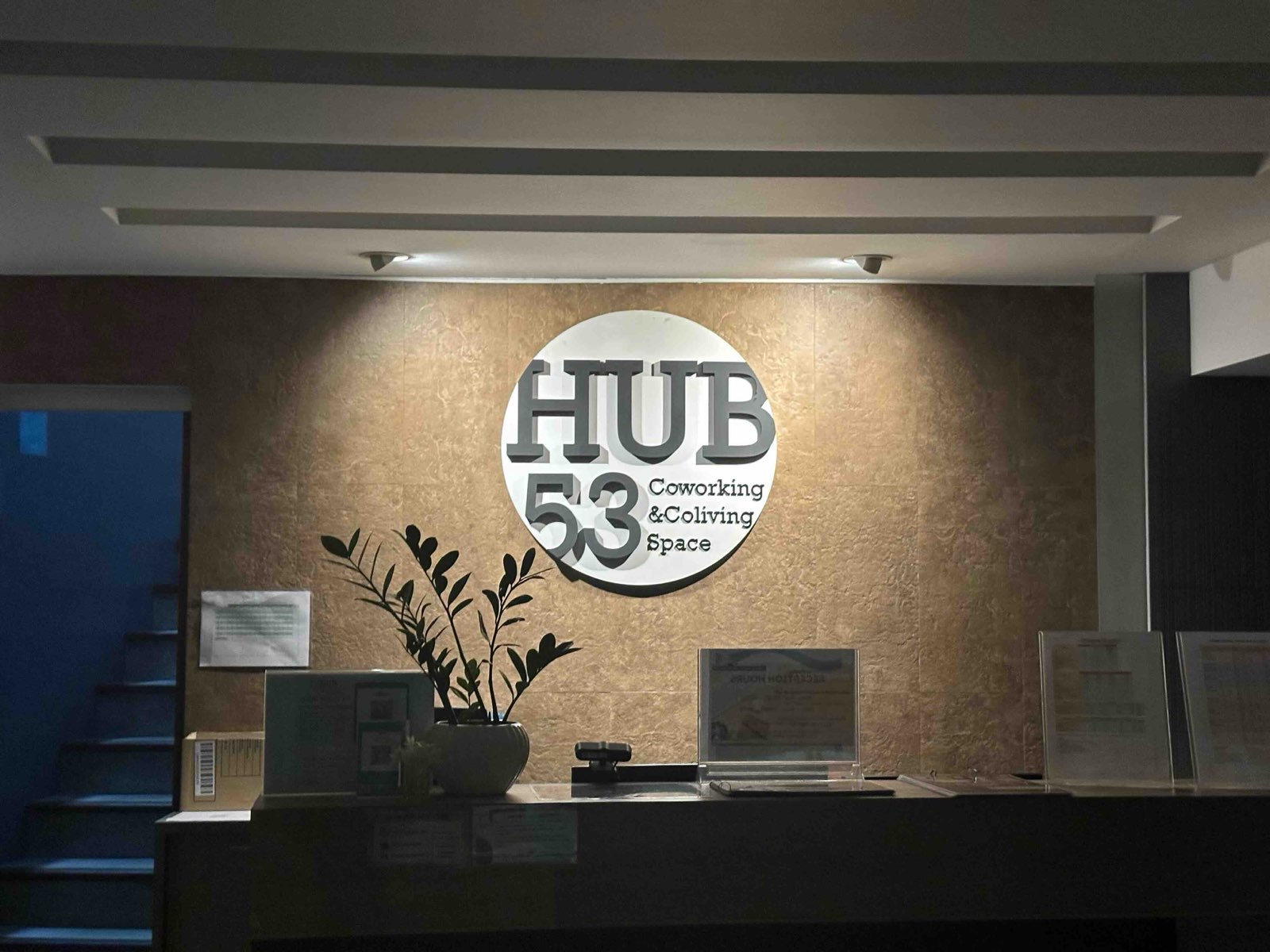
Book a hotel, serviced apartment, coliving room or Airbnb for the first one or two weeks rather than signing a lease from abroad. That gives you time to visit buildings, compare areas and test the internet speed.
Monthly rentals are best found in person: walk into condo buildings and ask at reception, use local Facebook rental groups and listing sites, or use an agent. Never send money before viewing a property, and ask for a written contract. Expect a deposit of one to two months’ rent plus the first month in advance, and ask for the electricity rate per unit before signing. For a breakdown of neighbourhoods and typical rents, compare the best areas to live in Chiang Mai before you start viewing.
How do you get around Chiang Mai?
Within each area, such as the Old City or Nimman, walking is easy. Getting between areas needs wheels:
- Grab and Bolt — the simplest option for newcomers. A Grab motorbike from Nimman to the Old City can cost as little as ฿35, with a car around ฿120, more at peak times.
- Songthaews — the red shared trucks. Flag one down, agree the fare before getting in, and expect around ฿30–60 for most trips within the city. Few long-staying nomads use them regularly, as most switch to their own transport.
- Scooter rental — the most popular choice for longer stays. A basic scooter is available from about ฿300 a day or ฿3,000 a month, with prices rising in peak season.
Before renting a scooter, check your licence. Foreign riders need a valid motorcycle licence, either a Thai one or a home licence with an International Driving Permit that includes motorcycles. Many car-only permits do not cover scooters. Police checkpoints in Chiang Mai stop foreign riders regularly, and on-the-spot fines are common. Helmets are compulsory for rider and passenger. Riding unlicensed can also void travel insurance, which matters far more than any fine.
What is TM30, and who files it?
TM30 is the notification that tells immigration where a foreigner is staying. The legal duty sits with the owner or manager of the property, not the guest, and it should be filed within 24 hours of arrival. Hotels usually file it automatically. For a condo or house, ask the landlord to file it and give you a copy of the receipt, as you may be asked for it at immigration when extending a visa. Rules and enforcement change, so check the latest guidance with Chiang Mai Immigration or the official Thai Immigration Bureau website.
What about health insurance, hospitals and pharmacies?
Arrange travel or international health insurance before you arrive, and confirm it covers motorbike accidents if you plan to ride. Chiang Mai has good private hospitals used by foreigners, including Chiangmai Ram Hospital, Bangkok Hospital Chiang Mai and Rajavej Chiangmai Hospital, with Maharaj Nakorn (Suan Dok) as the main public hospital. Pharmacies are on almost every main road and can dispense many medicines without a prescription. The emergency ambulance number is 1669.
How bad is the air quality?
From roughly late February to April, smoke from agricultural and forest fires can push PM2.5 levels to unhealthy readings for weeks. Check IQAir or Air4Thai daily, buy N95 masks and an air purifier if you stay, and read up on the best time to visit Chiang Mai if your dates are flexible.
What etiquette should newcomers know?
- Temples — cover shoulders and knees, and remove shoes before entering buildings.
- Homes and some shops — take shoes off if you see others’ outside the door.
- The monarchy — never criticise or joke about the royal family; the law is strict.
- Body language — avoid touching anyone’s head or pointing your feet at people or Buddha images.
- Tone — stay calm and polite in disagreements; raised voices rarely help.
Once these basics are sorted, the rest falls into place quickly. Budgeting is easier with a realistic picture of what a month in Chiang Mai really costs, and the city’s work-friendly cafés are an easy way to find your routine. Visa rules change often, so confirm current entry and extension requirements on official Thai government sources before you travel.