Chiang Mai can be as cheap or as expensive as a remote worker wants it to be. A careful budget can come in under ฿25,000 a month, while ฿35,000–60,000 buys a comfortable life with a nice apartment, a decent scooter, a coworking desk and regular meals out. Here is what each part of a month currently costs.
How much does it cost to live in Chiang Mai each month?
The total depends far more on habits than on the city. A budget month means a cheaper apartment outside the centre, eating mostly from street stalls and keeping coffee and alcohol in check. A comfortable month adds a nicer apartment, a better scooter and meals at some of the city’s smarter restaurants a couple of times a week. Spend beyond that and life starts to look luxurious: Western takeaways, a large house and a busy social calendar.
The days when Chiang Mai was a place to live on almost nothing are gone, but it remains very good value. Typical costs for the main items:
| Item | Typical cost |
|---|---|
| Good one-bedroom condo | ฿10,000–20,000 a month |
| Utilities for a one-bedroom | ฿1,000–2,500 a month |
| Cleaner | from ฿600 a week |
| Basic street-food dish | ฿40–60 |
| Coffee at a good coffee shop | ฿60–100 |
| Coworking membership | ฿3,000–6,000 a month |
| Scooter (100cc) | ฿300 a day or ฿3,000 a month |
| SIM with unlimited data | around ฿400 a month |
| Gym membership | ฿950–1,700+ a month |
How much is rent in Chiang Mai?
Accommodation is the biggest cost, but it is far more affordable than in most nomad hubs. Studio apartments on a long lease start at around ฿8,000 a month, although these are usually out of town, and the savings can disappear on the commute. A good-quality one-bedroom condo costs ฿10,000–20,000 a month, with the lower end usually reserved for six- to twelve-month leases.
Rent rarely includes bills, but buildings charge a standard rate for power and water, and the total for a one-bedroom typically comes to ฿1,000–2,500 a month. A well-located one-bedroom in a local-feeling area such as Santitham comes to around ฿15,000 a month, plus roughly ฿1,500 in utilities. Townhouses on a long lease cost about the same or slightly more, depending on the size of the plot. A weekly cleaner starts at around ฿600.
Where you live shapes the rent more than anything, which is why the best areas to live in Chiang Mai differ so much in price.
How much does food and drink cost?
Eating local is where Chiang Mai is cheapest. In less touristy neighbourhoods, a basic noodle or rice dish from a street stall costs ฿40, and most cost ฿50–60. In Nimman and the Old City, local dishes such as pad thai, chicken rice or pad kra pao cost ฿60–120, with regional specialities up to ฿200. Western food is usually around double, and the city has options all the way up to fine dining.
As a rough guide for a meal and a drink for one person:
- Under ฿100 — a basic local dish on a side street
- ฿150–400 — a good restaurant meal in the Old City or Nimman
- ฿500+ — a high-quality or Western meal, speciality food, or a meal with drinks
In restaurants, tea or a can of soft drink costs ฿20–30. A coffee from a good coffee shop is ฿60–100, fresh fruit juices cost about the same, and a smoothie can reach ฿150. A small local beer such as Chang, Singha or Leo costs ฿80–120 in a bar, imported and craft beers up to ฿200, and a cocktail in a smart bar ฿150–400.
How much does a SIM card cost?
A travel eSIM is a handy way to have data on landing for the first few weeks. After that, a local SIM is cheaper: an AIS SIM with unlimited data costs around ฿400 a month. Asking for a package for someone living in Chiang Mai, rather than a tourist SIM, can make a real difference; a tourist asking at the same counter was offered ฿600 a month for unlimited data. Tourist SIMs are sold at the airport, but anyone staying more than a couple of months should compare longer-term packages. Sorting a SIM is one of the first-week essentials for new arrivals.
How much does coworking cost?
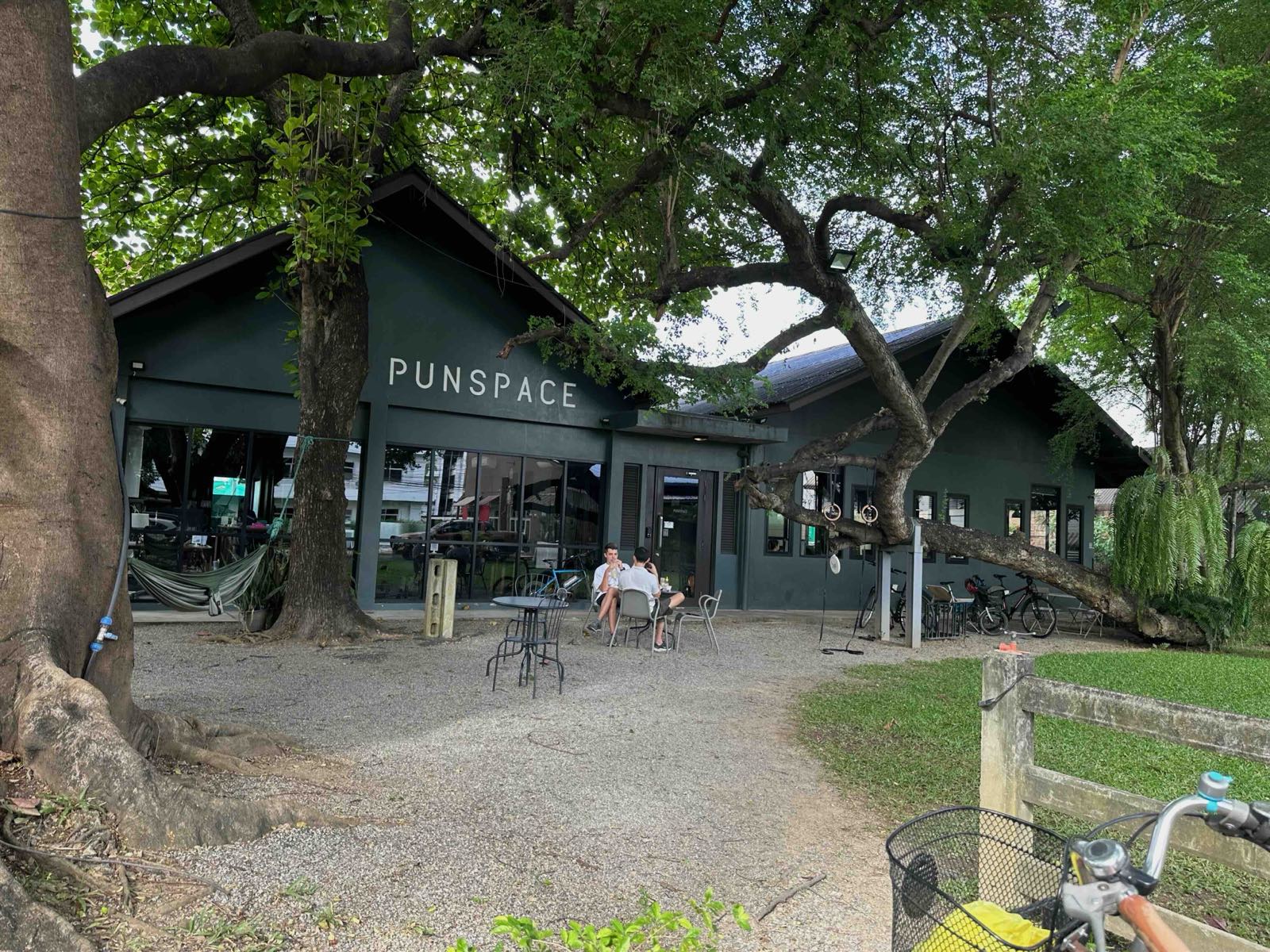
Coworking day passes start at about ฿200, and monthly memberships cost ฿3,000–6,000, with plenty of packages in between. The best coworking spaces in Chiang Mai vary a lot in price and atmosphere, and the city also has a huge choice of laptop-friendly coffee shops for those who would rather pay for coffee than a desk.
What do activities and fitness cost?
Long-term residents rarely do tourist activities every day, but staying active and social still costs something. Visiting temples is free or close to it, cinema tickets start at ฿150 and ice skating costs ฿150. Rock climbing and a round of golf each start at around ฿400, and horse riding costs about ฿1,000 an hour.
A basic open-air gym without air conditioning costs around ฿950 a month, while the gyms in hotels and shopping centres charge ฿1,700 or more, and most fall somewhere between. Specialist Muay Thai gyms charge from ฿300 for a one-off lesson.
How much does it cost to get around?
Getting around is cheap. A Grab motorbike from Nimman to the Old City can cost as little as ฿35, and a car around ฿120, with prices rising at peak times. Renting a 100cc scooter costs around ฿300 a day or ฿3,000 a month, which is how most people staying longer than a few weeks get about.
Is Chiang Mai still good value for remote workers?
Yes. It is no longer the ultra-cheap base it once was, but rent, food and transport are all low for anyone earning in a Western currency, and the range of budgets it supports is wide. The one problem money does not fix is the annual burning season in March and April, when many remote workers leave for a few weeks, so it is worth setting aside something for a trip away.